
Movie art
Welcome to the Graphic Collectibles’ online gallery of original, collectible comic artwork. From original Superman comic art and Spider-Man comic art, to original X-Men comic art and Batman comic art, Graphic Collectibles carries it all https://buyme4you.com. The owner, Mitch Itkowitz, has been in the business of selling original/vintage comic art for over 40 years.
Welcome to the Graphic Collectibles� online gallery of original, collectible comic artwork. From original Superman comic art and Spider-Man comic art, to original X-Men comic art and Batman comic art, Graphic Collectibles carries it all. The owner, Mitch Itkowitz, has been in the business of selling original/vintage comic art for over 40 years.
From retro video games to vintage toys, nostalgia-fueled collecting is making a huge comeback. Games like Super Mario 64 and The Legend of Zelda: Ocarina of Time have sold for six figures at auction, while sealed VHS tapes from the 80s and 90s are commanding surprising premiums.
The world of collectibles is constantly evolving, and 2025 is shaping up to be one of the most exciting years yet! From NFT-backed physical items to a vintage renaissance, collectors and investors are witnessing booming trends that are transforming the market. Whether you’re a seasoned collector or a newcomer looking to invest, understanding these trends can help you make informed decisions and capitalize on high-value opportunities.
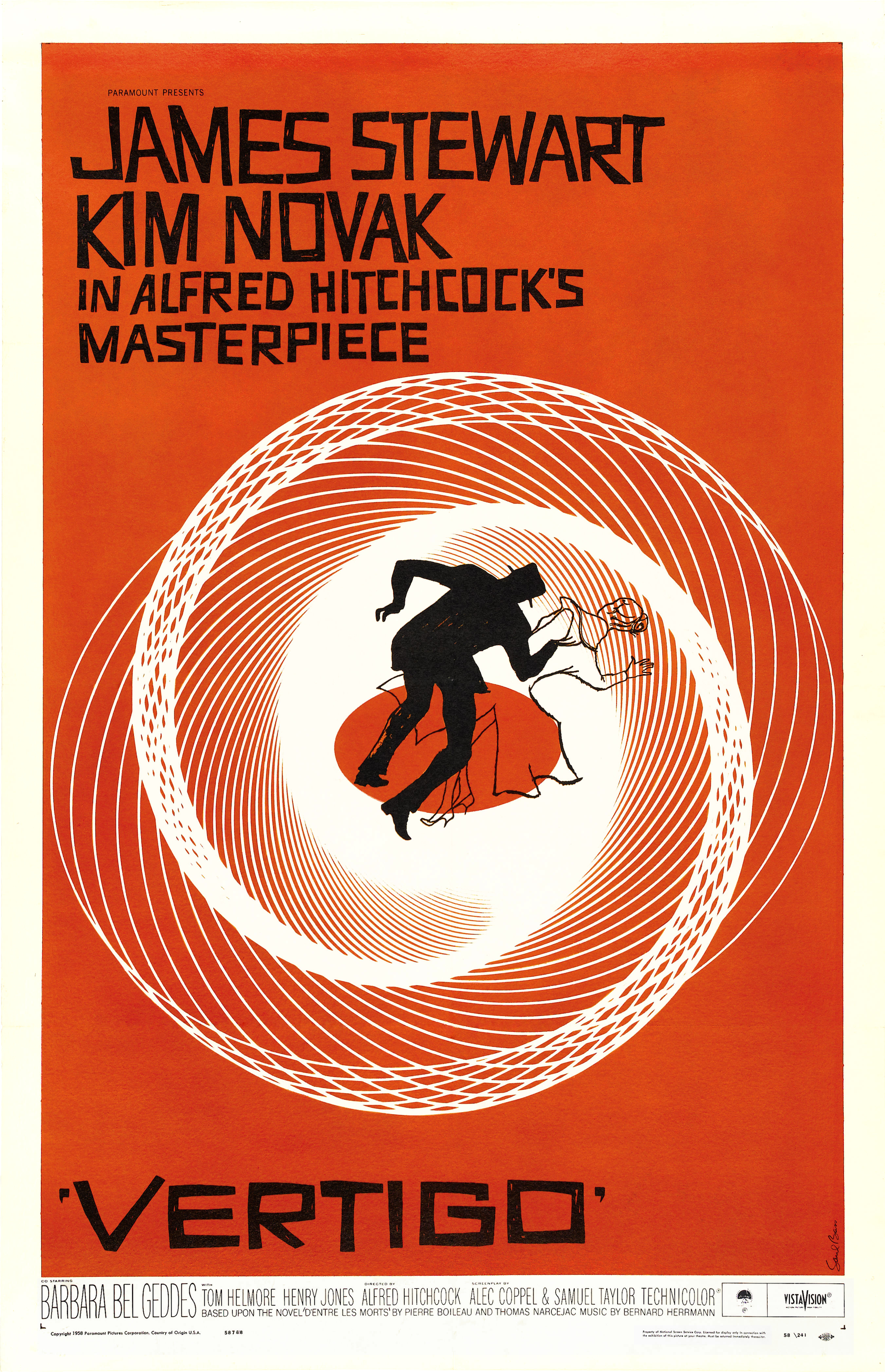
Film advertisement posters are widely admired for their bold lettering and large format, with many film-goers collecting them as relics of cinematic history. Join us as we take a closer look at some of the world’s best-loved blockbusters that feature in our Rare Cinema Collection.
Film graphic
That example doesn’t diminish the hard work that Atkins and the rest of the art department did on that film. Nor does it show that post-production is a more efficient method for achieving the same result. Filmmaking is a collaborative process. While technology can replace skilled craftspeople, we lose something when entire worlds are created using computer graphics.
Graphic designers have to carry out extensive research to create set pieces that are accurate to the time period the film is set in. They are also in charge of all the graphic elements that are outlined in the script.
That example doesn’t diminish the hard work that Atkins and the rest of the art department did on that film. Nor does it show that post-production is a more efficient method for achieving the same result. Filmmaking is a collaborative process. While technology can replace skilled craftspeople, we lose something when entire worlds are created using computer graphics.
Graphic designers have to carry out extensive research to create set pieces that are accurate to the time period the film is set in. They are also in charge of all the graphic elements that are outlined in the script.
To accommodate their busy schedules and to get two different perspectives, we gave both graphic designers the same prompts. Here’s what each had to say about their experiences, things they’ve learned along the way and tips for budding graphic designers, and what they think about the current state and future of graphic design for film/TV.
“Landing your next job is quite exhilarating! If it’s a new production designer, before I interview or when I get the call, the very first thing I do is research him or her and the director. That sets the time for the approach of the project. Once the deal is made, it’s time to dig in after the NDA is signed. I would read the script to get an overall scope of the movie, but immediately go back to take carefully detailed notes. Every word and scenario has to be interpreted and cross-checked with the production designer because he would already have an idea of the graphics. My hope is that we would be on the same path or at least close. When there are specific scripted terms or descriptions that need further clarification, we then go to the director and writers.
Theatrical artwork
Another master of the genre was German-born Johann Zoffany, who captured the details of a performance with photographic accuracy. Among his finest pictures is that of Macklin as Shylock in Shakespeare’s The Merchant of Venice. Painted in 1768, it depicts a distraught Shylock, reeling from the news that his daughter Jessica has eloped — and taken his money and jewels with her.
Zoffany produced a painting of that production (today owned by London’s Garrick Club, named in the actor’s honour). He captures the scene immediately after Duncan’s murder, in which Lady Macbeth reproves her wide-eyed, guilt-stricken husband for his loss of purpose.
Everyone can recognize the look of the theater stage. The lighting is dynamic with sharp contrast, the figures are starkly illuminated, and almost everything is exaggerated in some way, whether in costume or in gesture or both. The theatre carries a wonderful notion of story-telling and imagination with it that creates a framework for imagination. The dark curtains and raised platforms of the stage create the illusion that scenes that play before the viewer are in fact real, and that the audience is merely intruding on a story that would have happened regardless of whether or not they were listening in. This, to me, is the essence of the stage. In a sense, nearly all artistic arrangements of figures within a piece draw from the same principles that make up the ways in which a director would position actors within a scene. Paintings of interactions between people can be created to have an almost cinematic feel, drawing from that same notion that what is happening within the image would happen by itself, regardless of whether or not the viewer was there to see it. These images aren’t static; the events depicted are motion-oriented, and the viewer is almost always left wondering what might happen next within the scene. These works in particular create their own “stages”, where some of the details of the locale are shrouded through tenebrism or infinite space, placing more importance on the figures and their implied actions. This gallery is a collection of Renaissance and Baroque paintings that depict events happening within their own stages, alluding to the idea of being in theater.

Another master of the genre was German-born Johann Zoffany, who captured the details of a performance with photographic accuracy. Among his finest pictures is that of Macklin as Shylock in Shakespeare’s The Merchant of Venice. Painted in 1768, it depicts a distraught Shylock, reeling from the news that his daughter Jessica has eloped — and taken his money and jewels with her.
Zoffany produced a painting of that production (today owned by London’s Garrick Club, named in the actor’s honour). He captures the scene immediately after Duncan’s murder, in which Lady Macbeth reproves her wide-eyed, guilt-stricken husband for his loss of purpose.
Everyone can recognize the look of the theater stage. The lighting is dynamic with sharp contrast, the figures are starkly illuminated, and almost everything is exaggerated in some way, whether in costume or in gesture or both. The theatre carries a wonderful notion of story-telling and imagination with it that creates a framework for imagination. The dark curtains and raised platforms of the stage create the illusion that scenes that play before the viewer are in fact real, and that the audience is merely intruding on a story that would have happened regardless of whether or not they were listening in. This, to me, is the essence of the stage. In a sense, nearly all artistic arrangements of figures within a piece draw from the same principles that make up the ways in which a director would position actors within a scene. Paintings of interactions between people can be created to have an almost cinematic feel, drawing from that same notion that what is happening within the image would happen by itself, regardless of whether or not the viewer was there to see it. These images aren’t static; the events depicted are motion-oriented, and the viewer is almost always left wondering what might happen next within the scene. These works in particular create their own “stages”, where some of the details of the locale are shrouded through tenebrism or infinite space, placing more importance on the figures and their implied actions. This gallery is a collection of Renaissance and Baroque paintings that depict events happening within their own stages, alluding to the idea of being in theater.